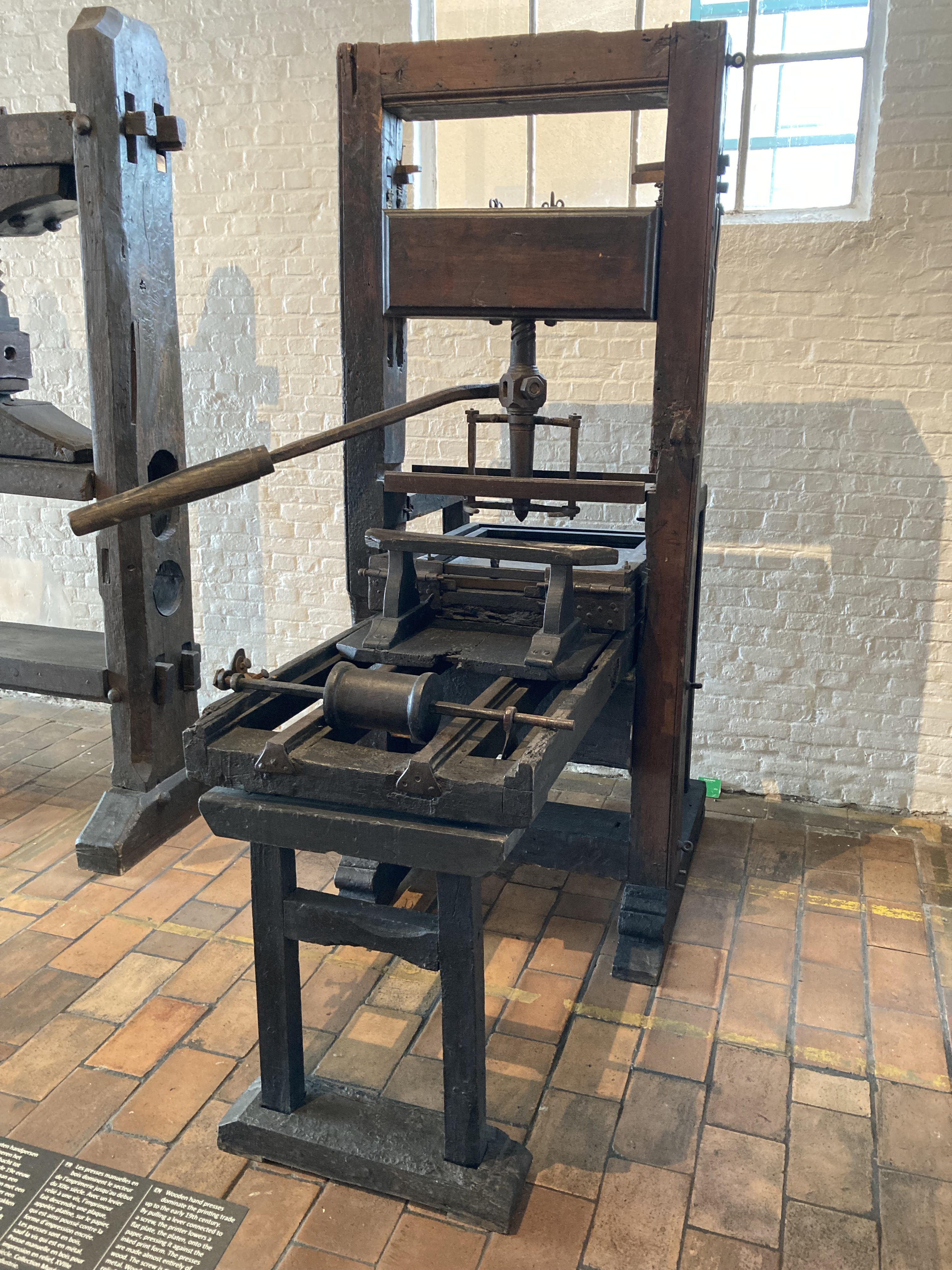
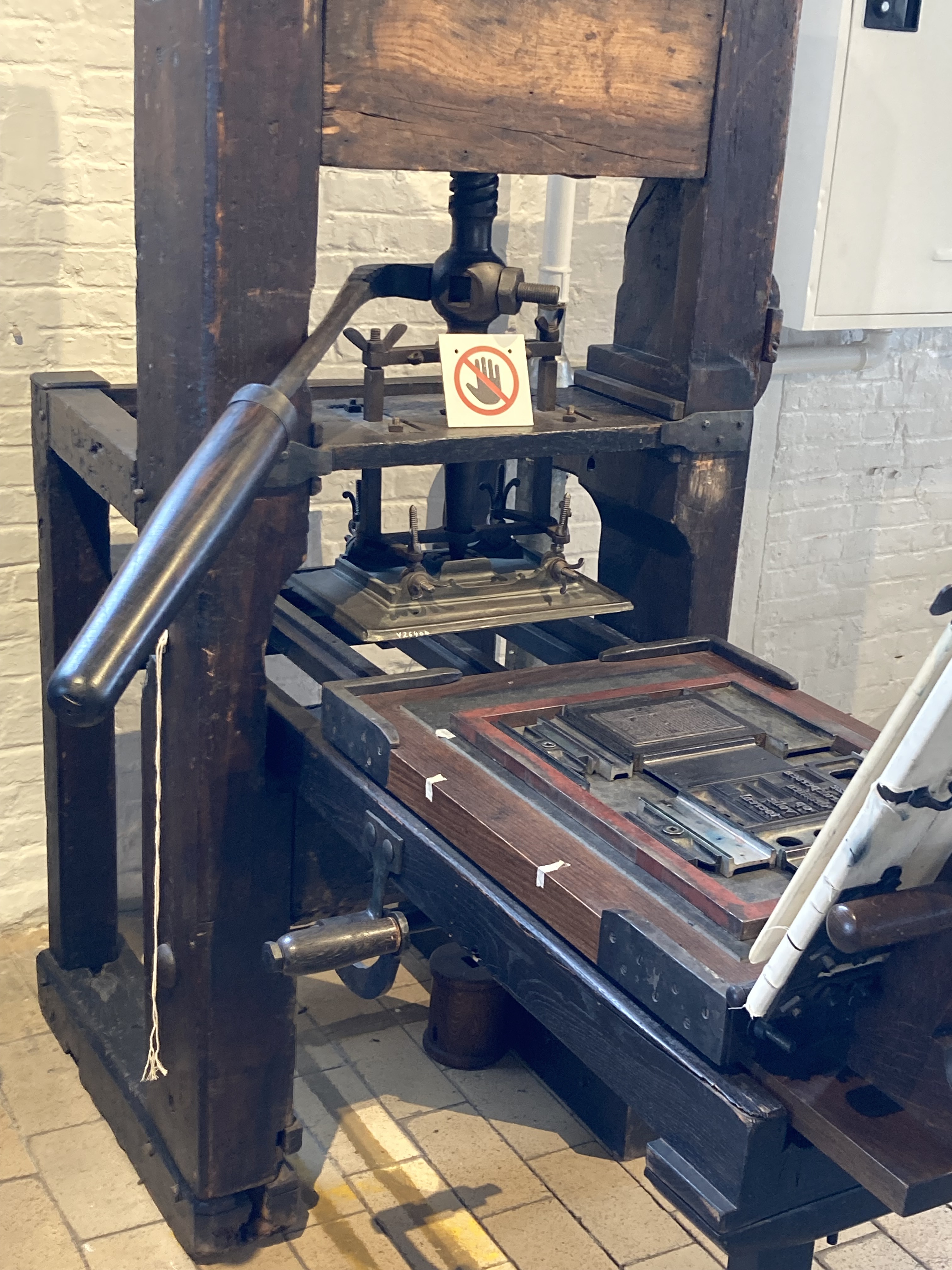
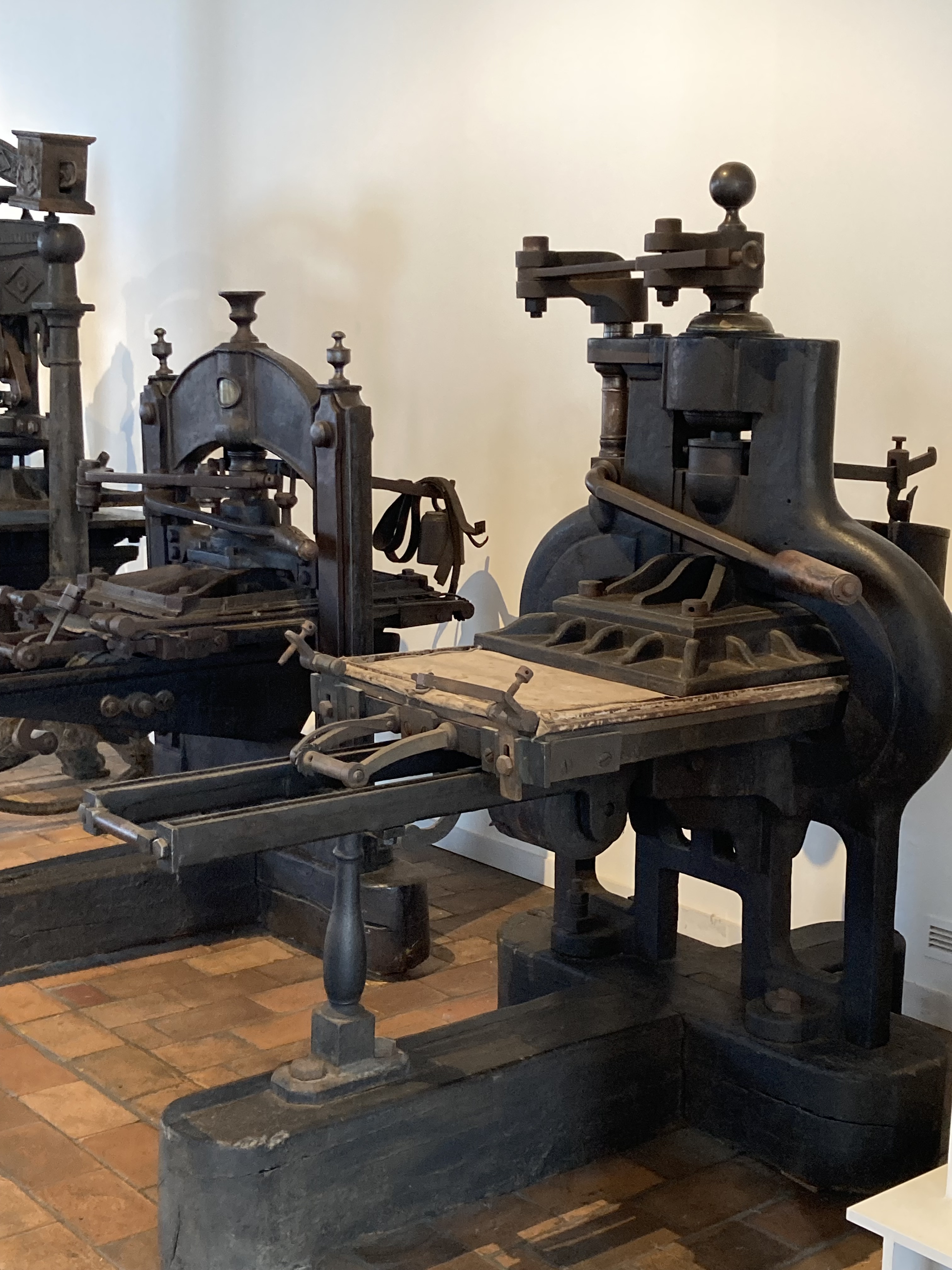
Imagine a huge room full of antique printing presses. Bulky cast-iron machines of past centuries – ones that had printed everything from public notices to art prints to books. Some of the equipment is still working and being used to demonstrate different parts of printing processes.
A print history nerd’s dream, right… ?
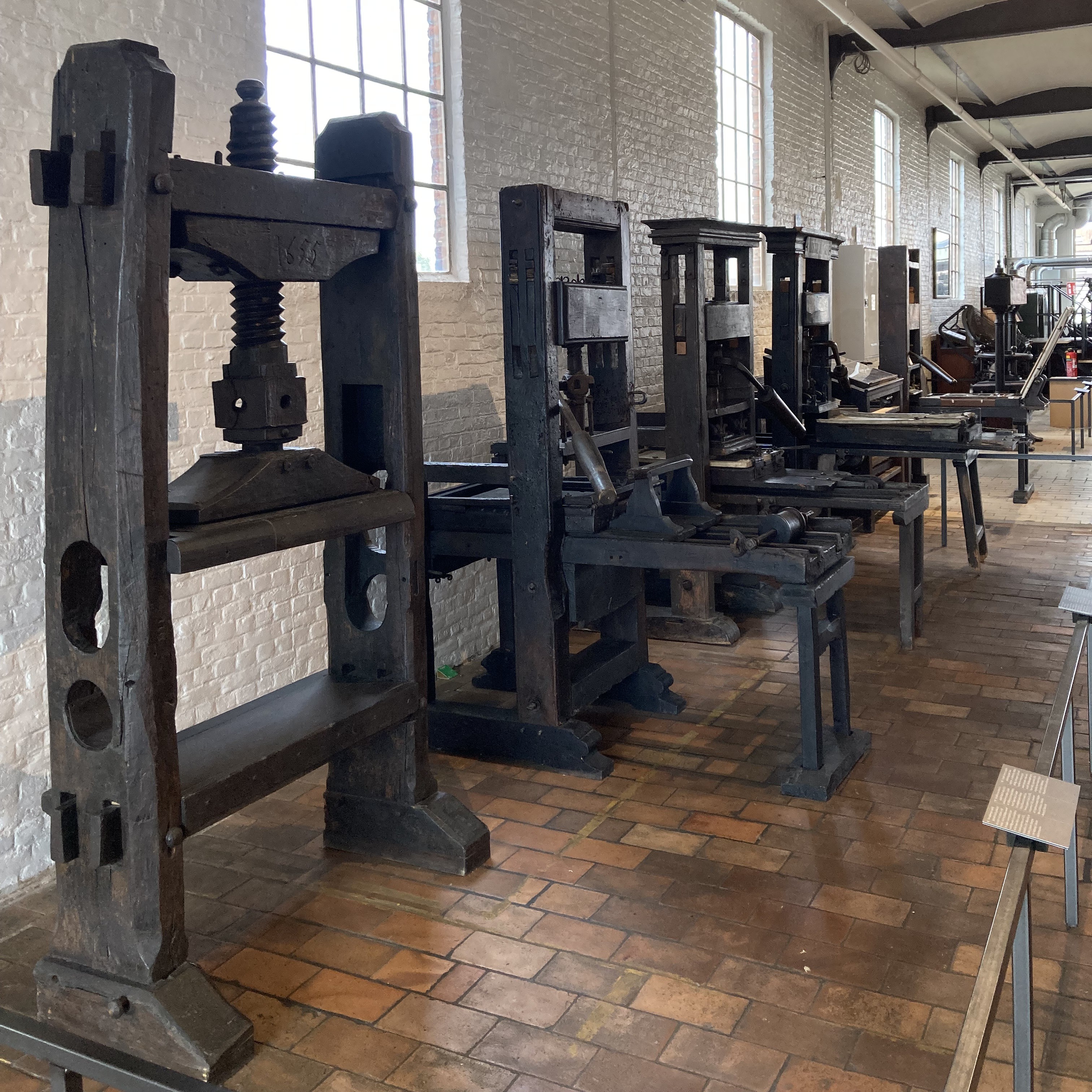
That was one highlight of my visit to the Museum of Industry in the beautiful Belgian city of Ghent. The printing history department on the fourth floor presents three centuries’ worth of assorted printing, typesetting, and drafting equipment, complete with interactive displays and demos by enthusiastic staff. Visitors get to try out printing techniques for themselves, too.
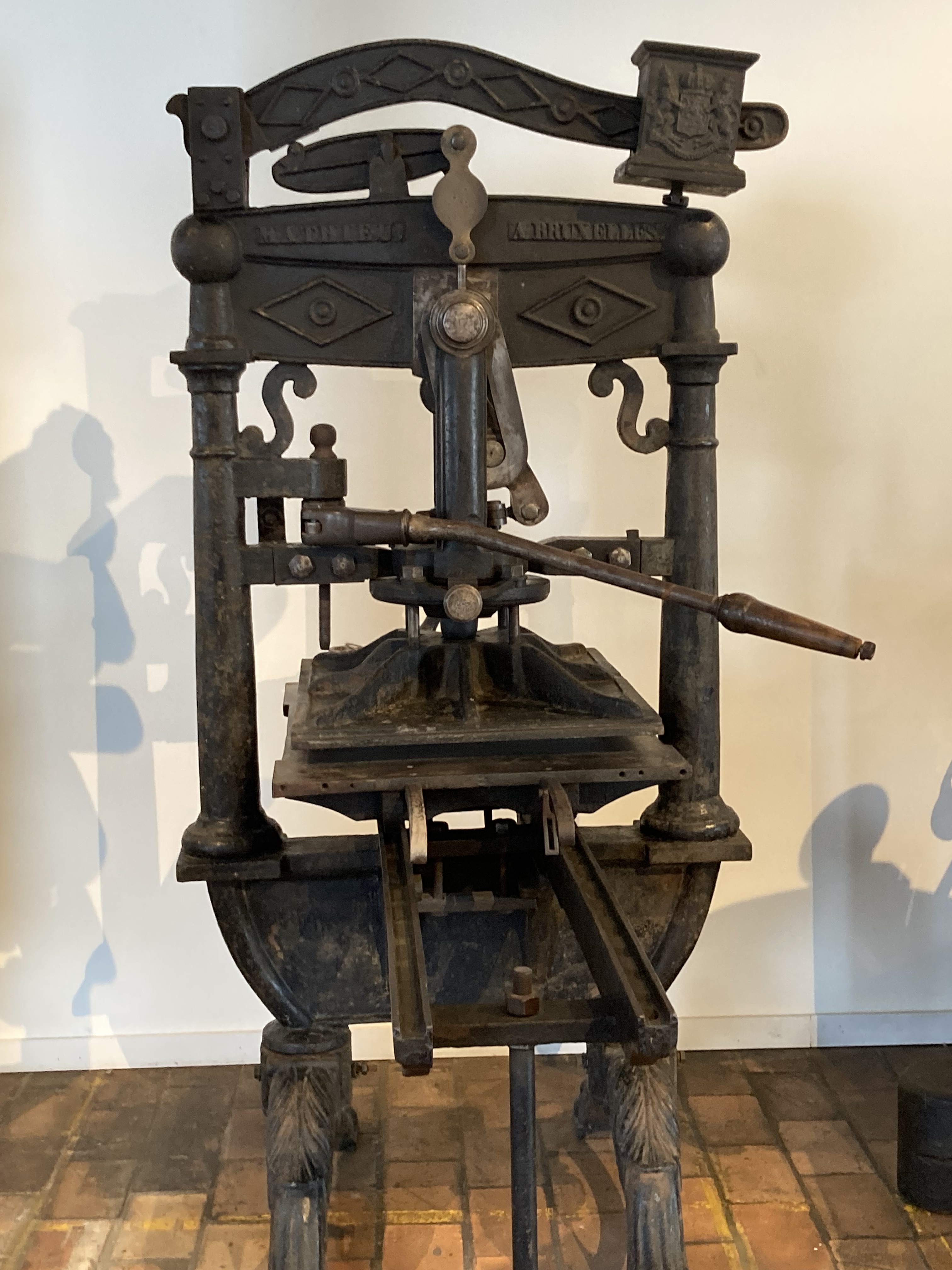
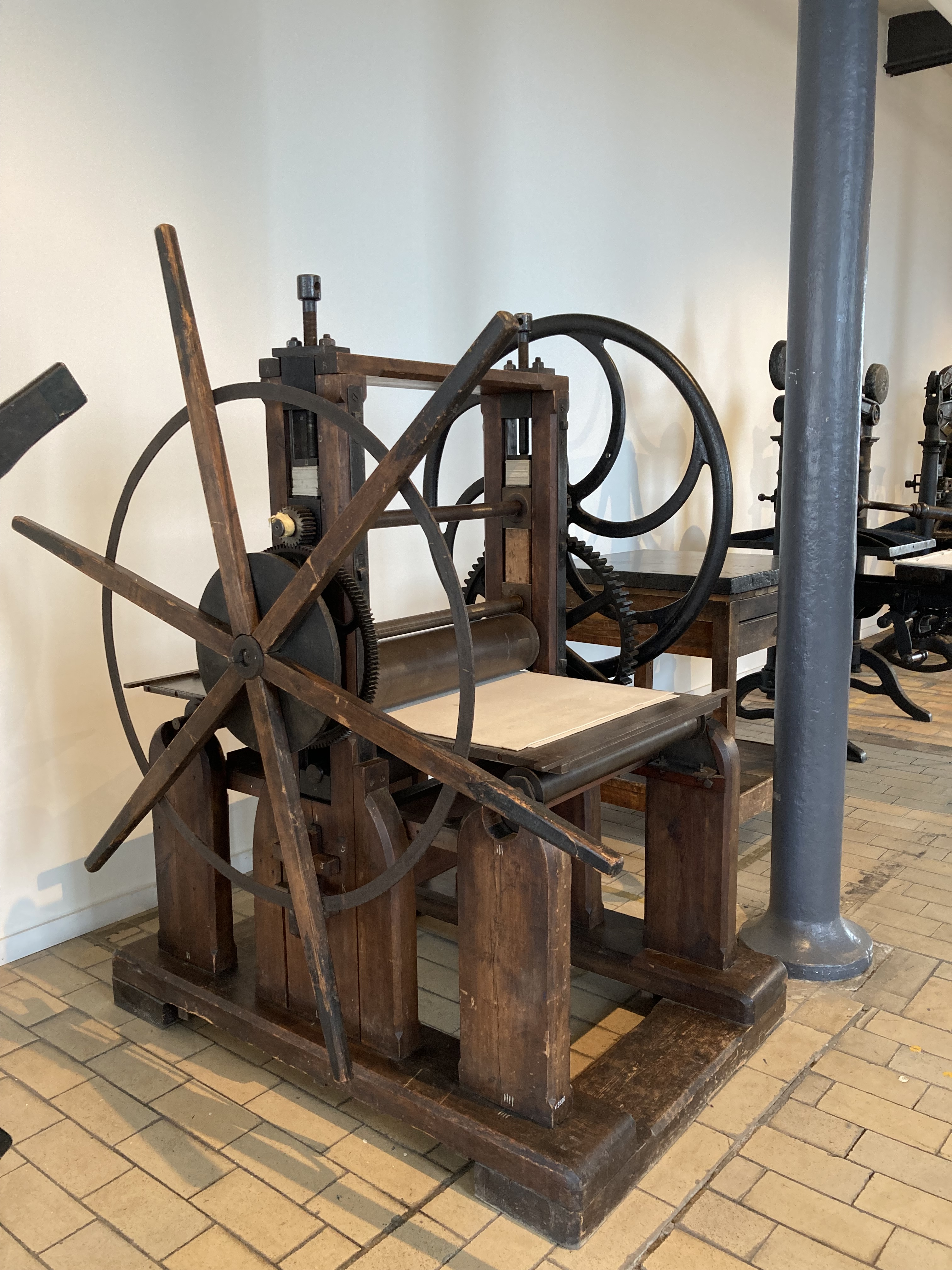
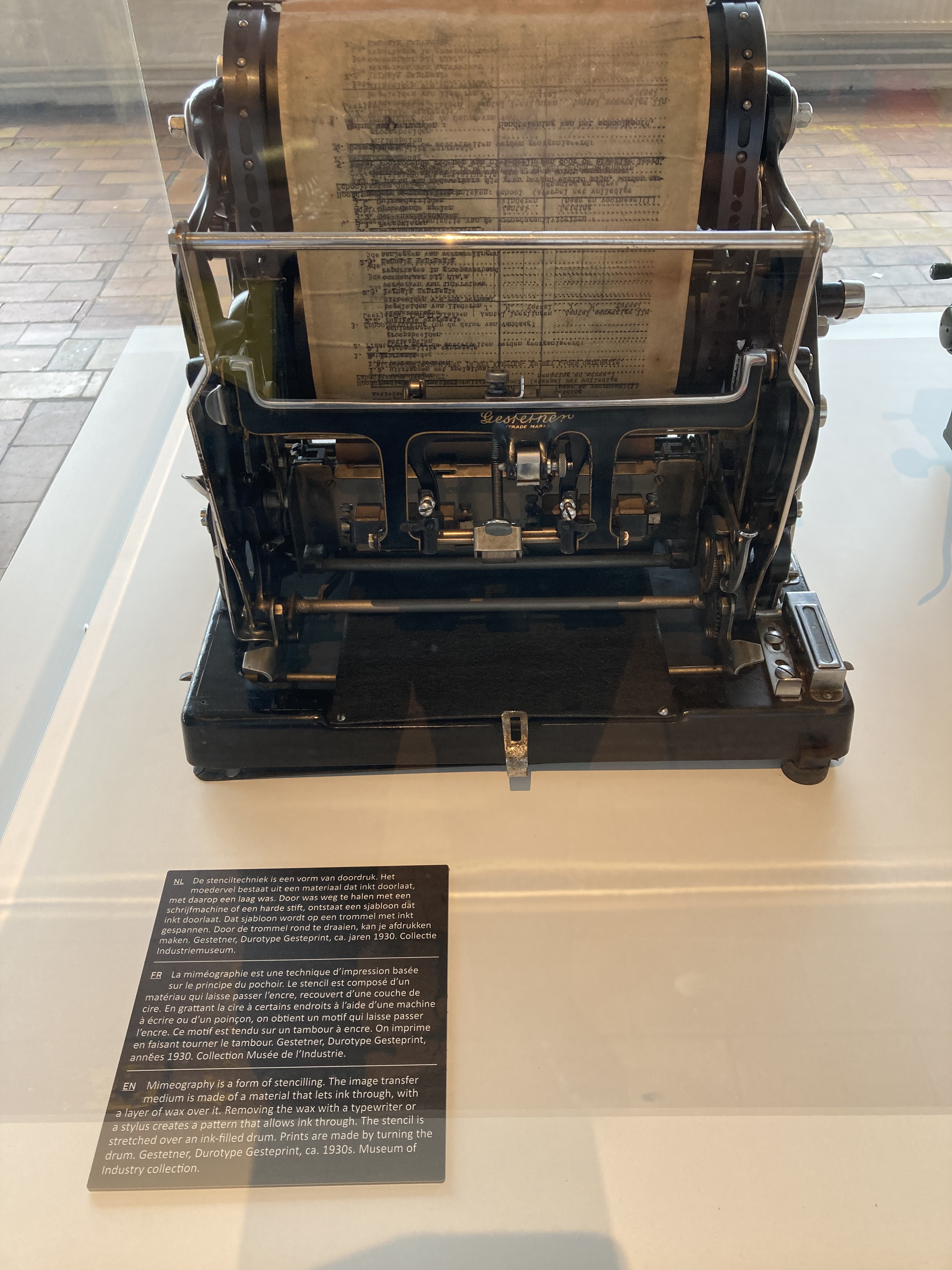
Though the printing department is an experience in its own right, the main theme of the museum is actually the textile industry. The building itself was a textile factory in the nineteenth century. The textile exhibition takes up the entire third floor, and includes spinning machines, programmable Jacquard looms, and other monumental equipment.
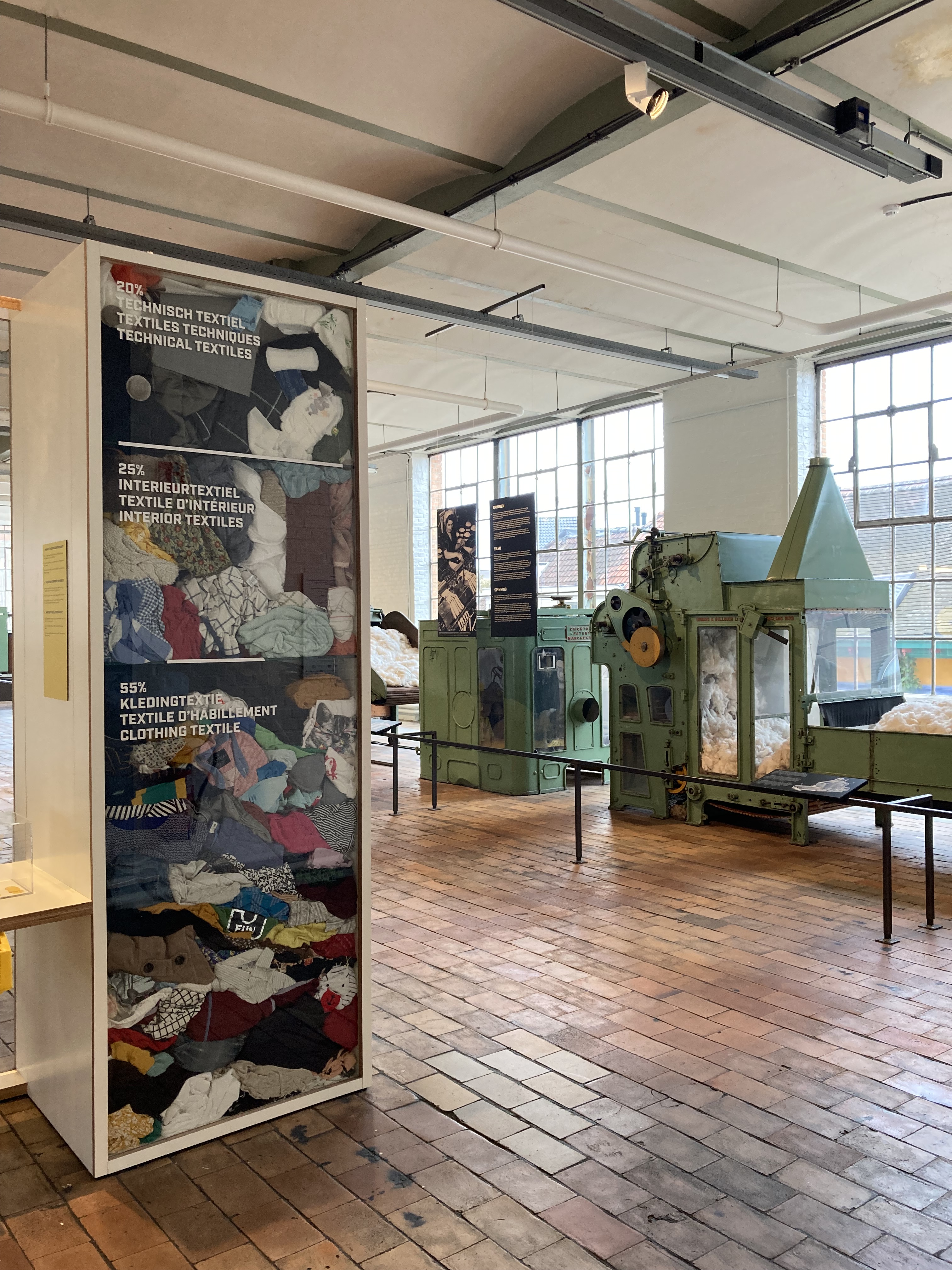
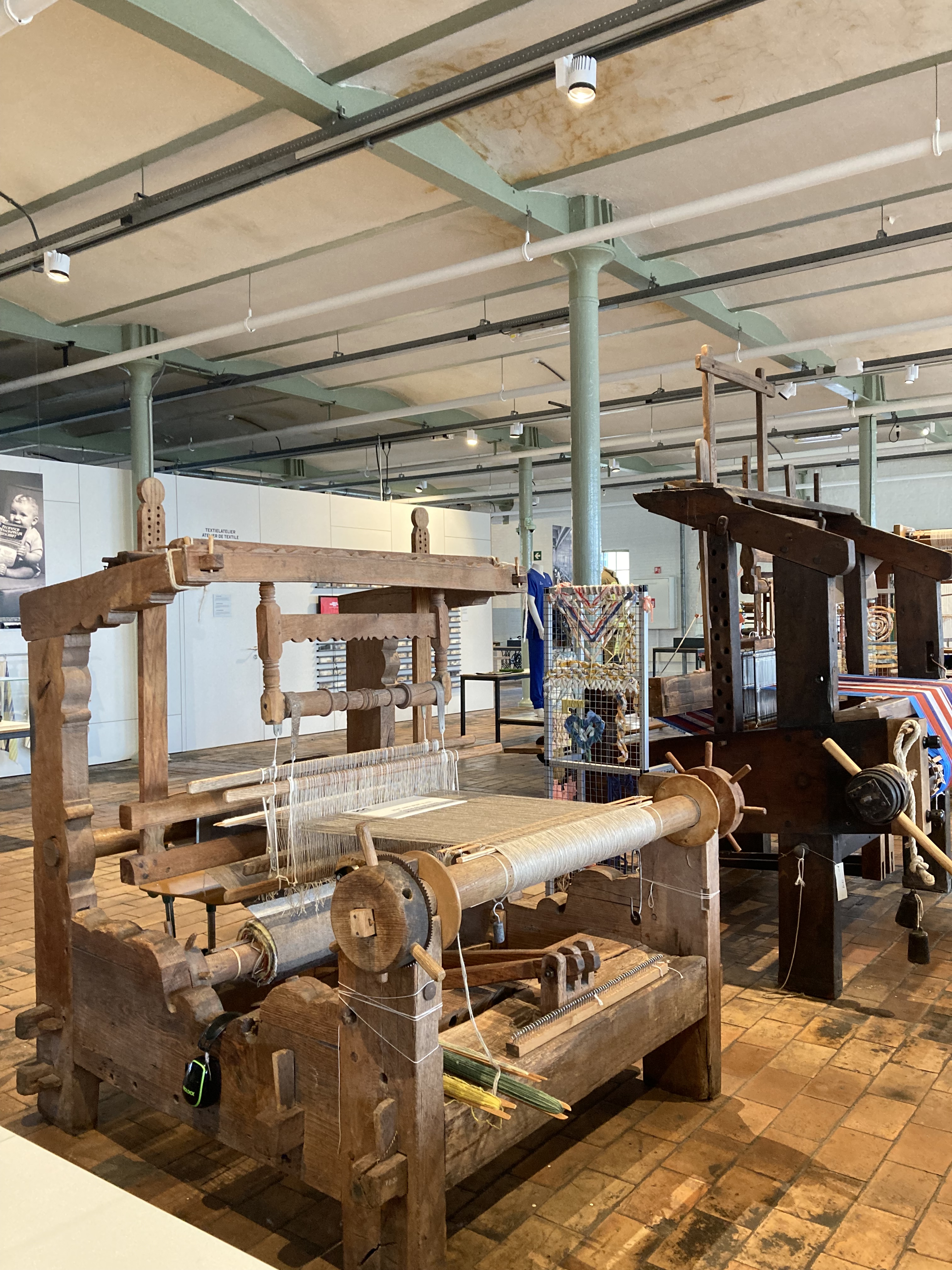
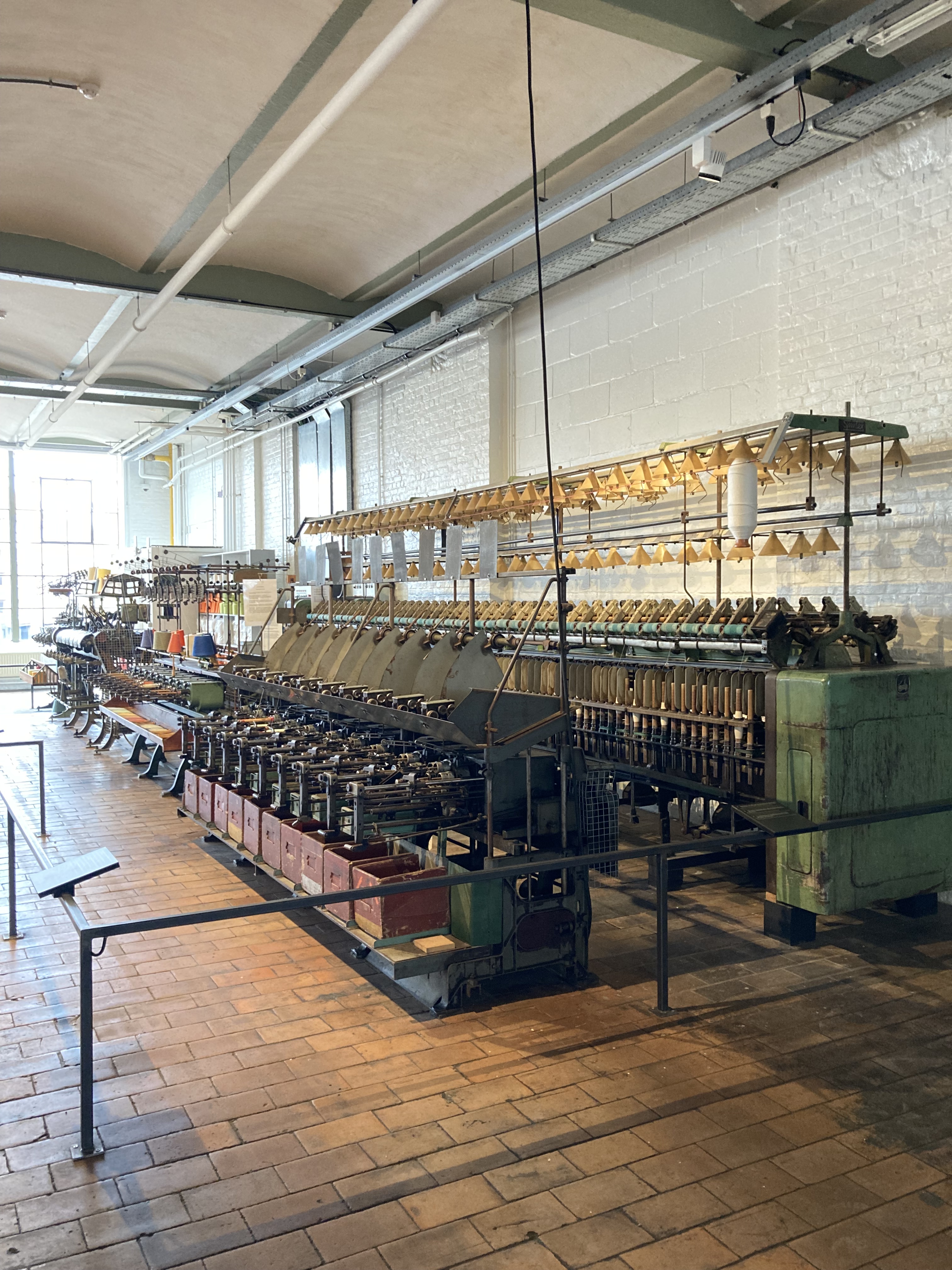
Spinning machines and looms on display in the textile department
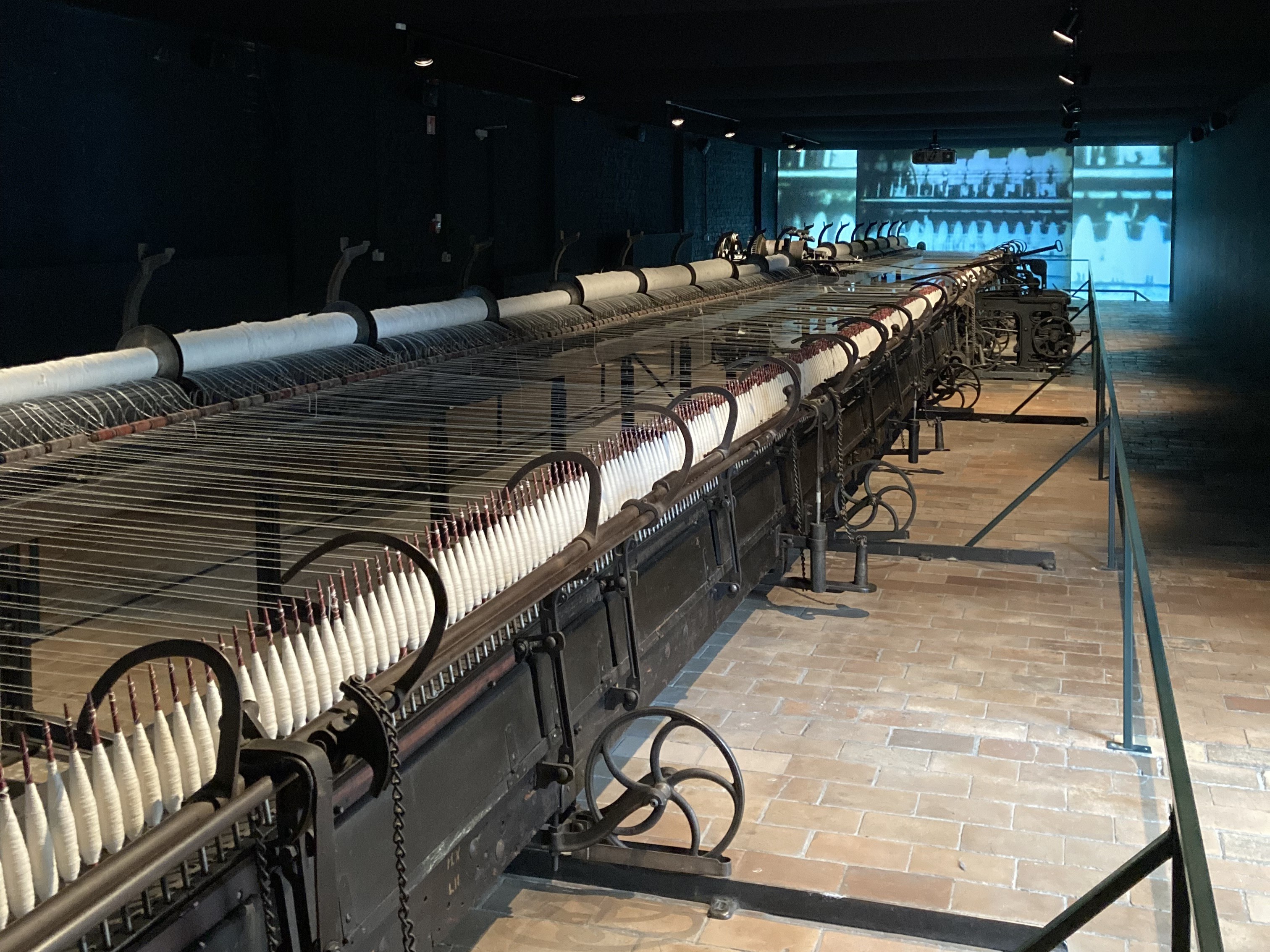
Videos were incorporated into some displays, and they were used very effectively. I was particularly struck by one historic video where a large team operated a massive textile loom. Parts of the loom slide back and forth with rhythmic clangs, while the people all work together to make one piece of fabric. The video played on a large screen next to a similarly massive ‘self-actor’ spinning machine – a very powerful reminder of how labour-intensive it was to produce textiles at the time.
Clever interactive features were built into the exhibition. For example, I noticed see-through boxes containing samples of textile fibres and materials. Each was labelled with a barcode, which, when scanned, triggered a video about the production and uses of the material. Great exhibit design!
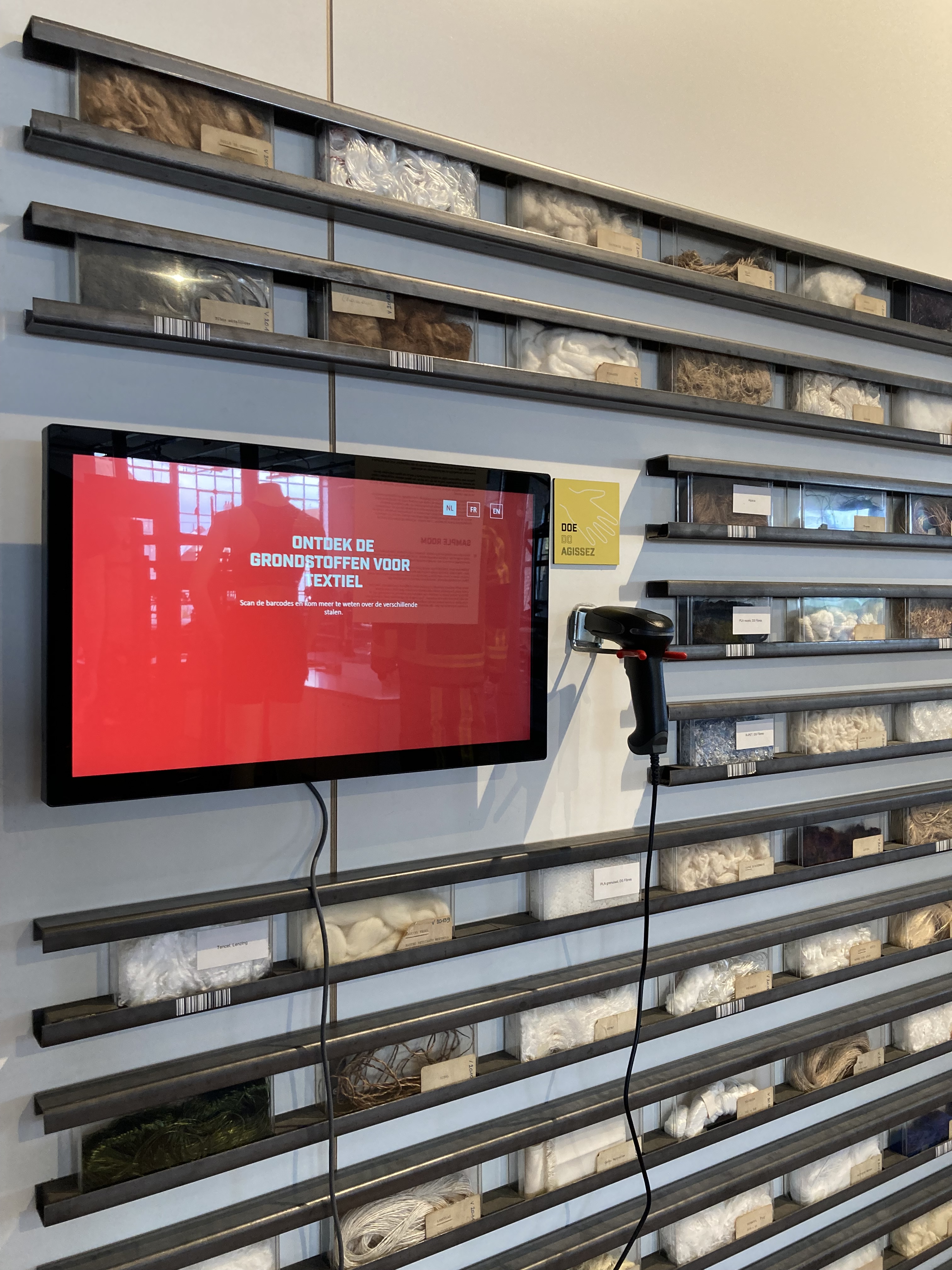
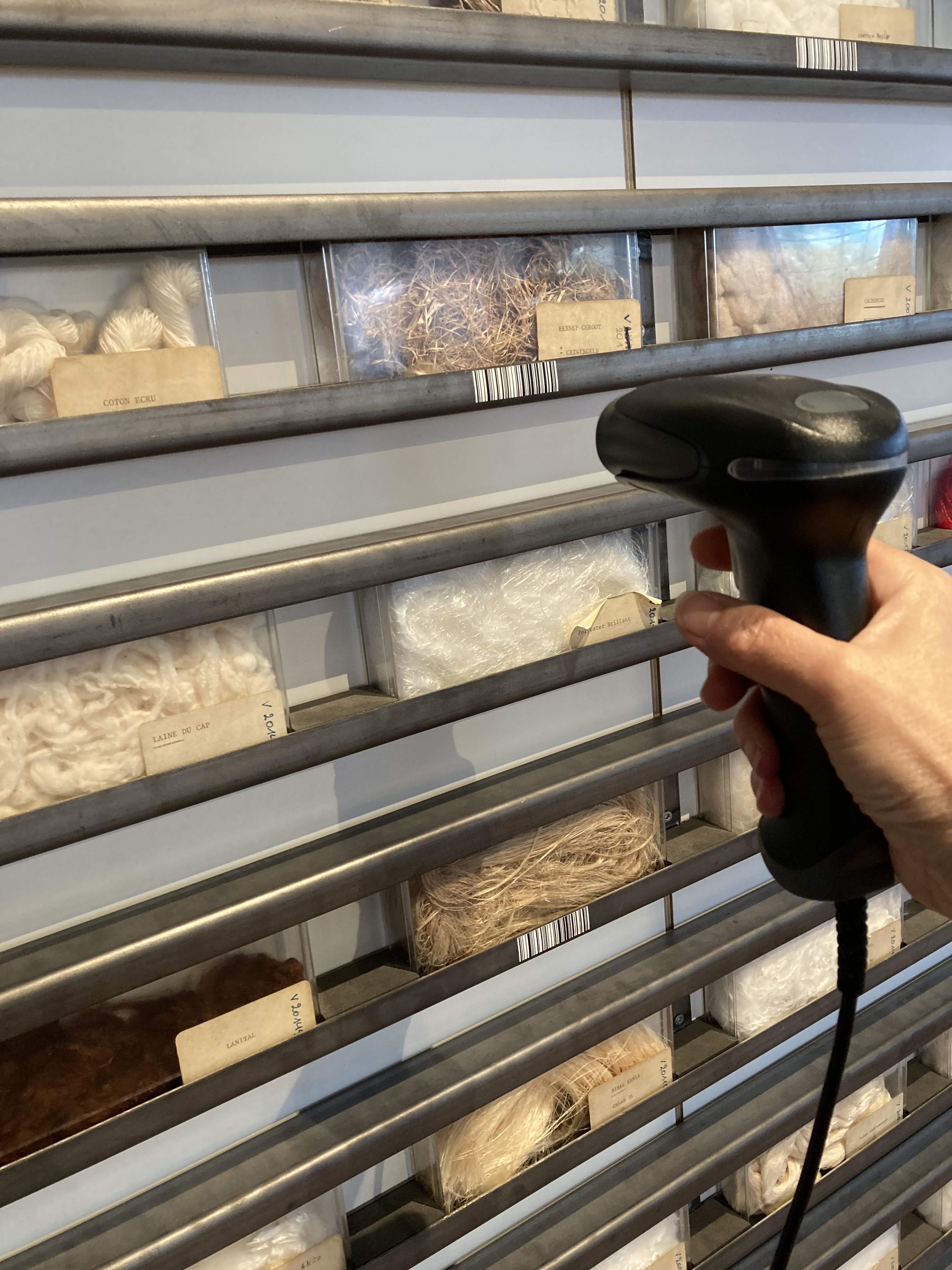
Interpretation delivered at the click of a button
Visitors can touch various textiles, listen to stories, and try out activities like carding, spinning and weaving. The museum library also has a fine selection of books for visitors to browse through.
One visit really isn’t enough – there is too much to see, learn and absorb. An unforgettable experience that needs to be repeated again and again!
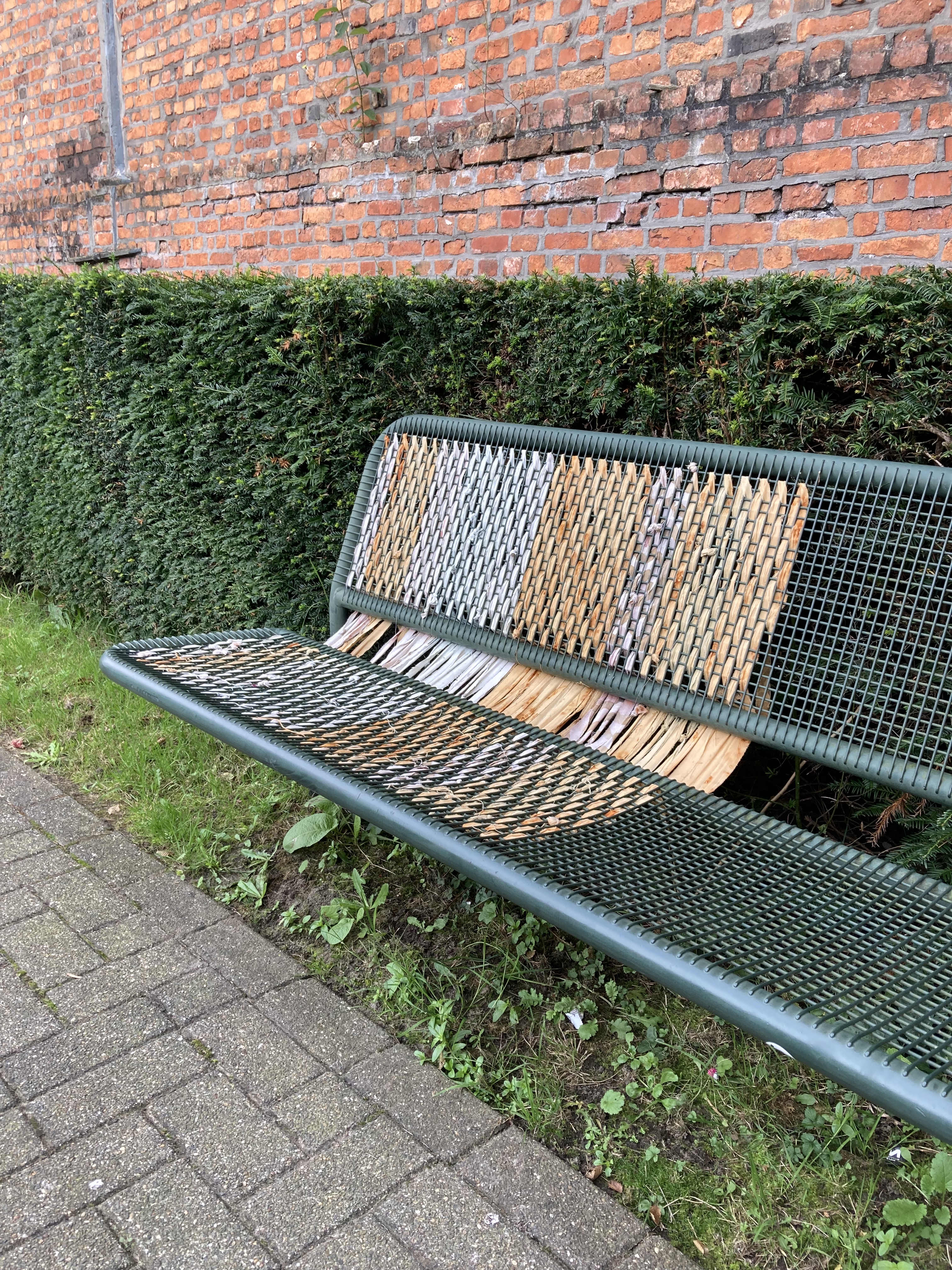
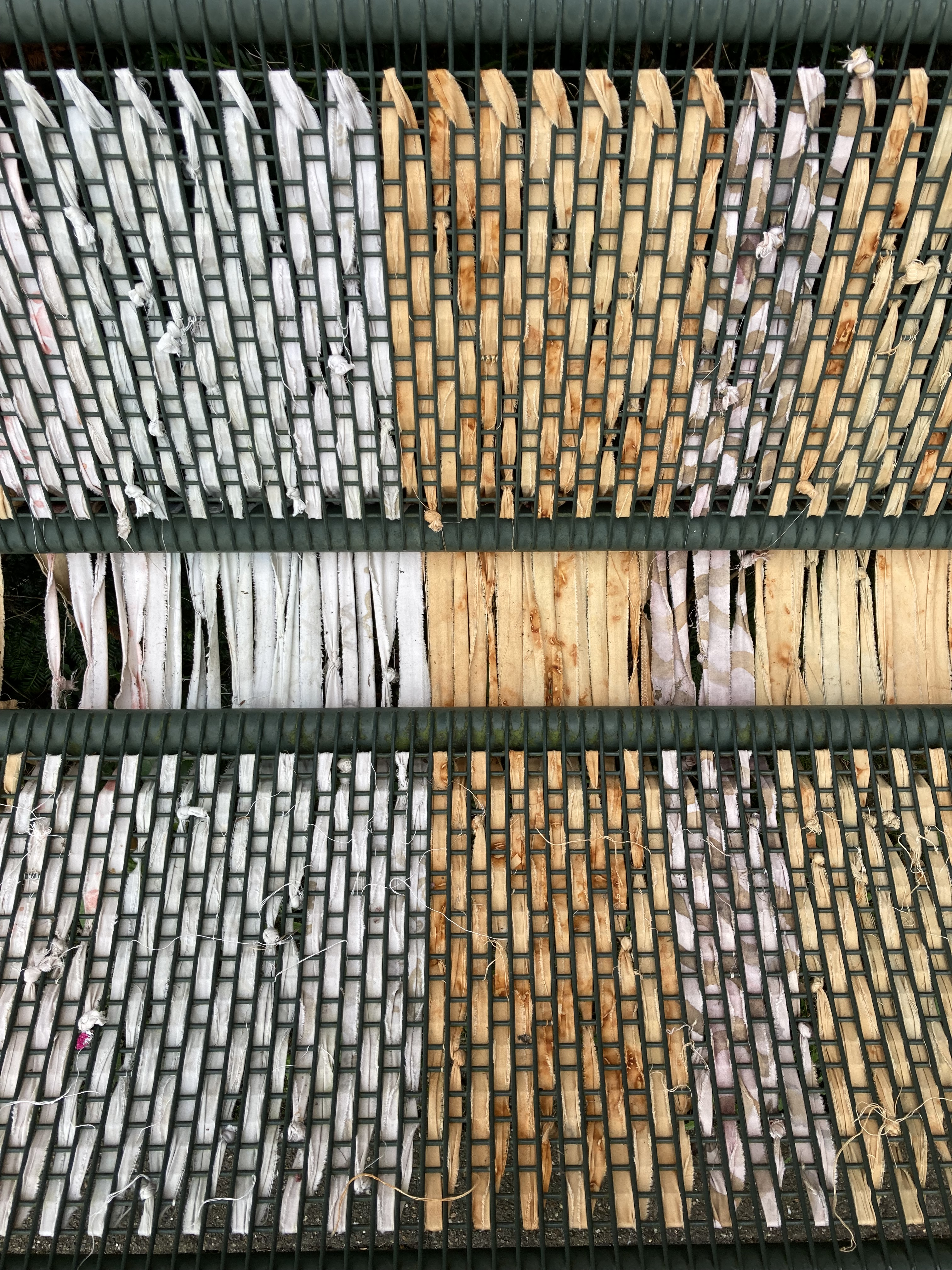
Weaving the past into the present, one bench at a time…
Images by Stefania Signorello


One thought on “Off the Shelf: Museum of Industry, Ghent”