Are you ready for disaster? Incidents that threaten the safety of collections and personnel range from naturally occurring disasters, such as earthquakes and extreme weather, to those caused by industrial or human activity. These events often happen with little warning, but recovery may take years. As the effects of climate change begin to threaten the resilience of museum infrastructure, incidents such as flooding are likely to become more prevalent in some areas.
When disaster strikes, recovery success often depends on your immediate first steps, which is why emergency preparedness is crucial for any heritage institution. Today, we’re revisiting previously published pieces on the subject of disaster planning and salvage from The Book and Paper Gathering’s archives. These range from detailed accounts of painstaking remedial work to reflections on the often forgotten ‘human’ element of recovery, and we’re excited to share them again for a new audience. Click on the titles below or the accompanying images to read the full articles.
When you’re flooded with work – Claudius Schettino (published 6th June, 2019)
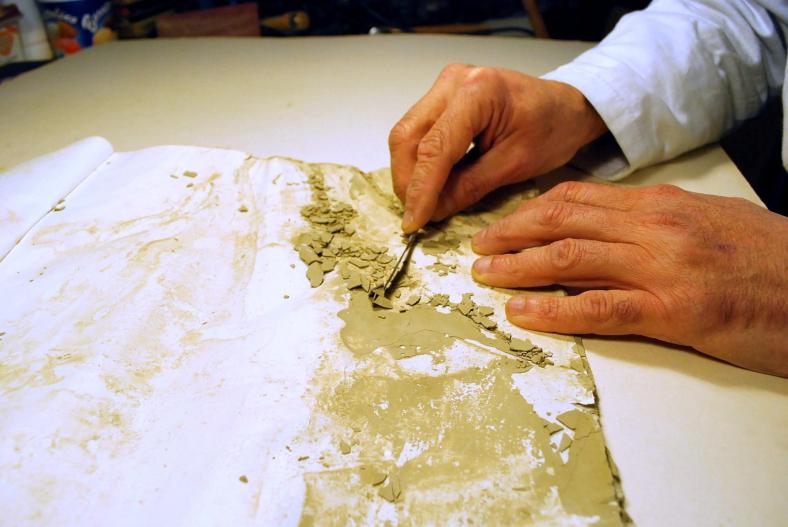
The 1966 flood of the river Arno is considered one of the worst natural disasters in Florence’s history. Thirty-five people were killed and heritage collections across the city suffered devastating losses and damage. Schettino’s article is an account of the 2014 attempt to conserve a volume salvaged from the flood following a crowdfunding campaign.
The conservation process included the painstaking removal of over 1 kilogram of dried mud, repair and rebinding. The before and after images are truly impressive!
When disaster strikes – Pakhee Kumar (published 13th September, 2022)
Successful disaster recovery efforts depend on teamwork and considered co-ordination. Kumar reflects on the efforts of responders to save heritage in the wake of the 1966 Florence flood. Local volunteers rushed to offer physical and logistical support, while communities around the world contributed money, materials and expertise to the project. This collaborative approach allowed many artworks and artefacts to be recovered for future conservation work.
This article is an overview of a longer open-source paper that explores the motivations behind and potential of ‘crowdsourcing’ in heritage disaster management.
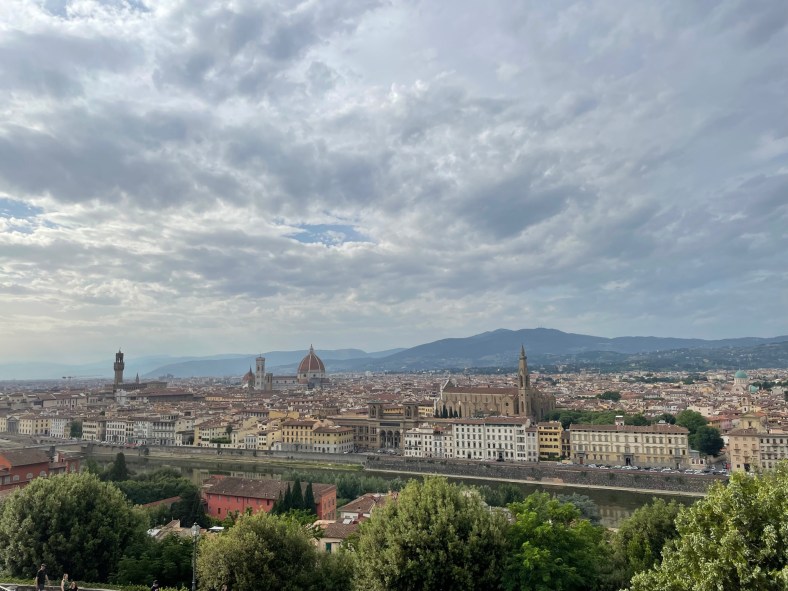
日本の著名な哲学者の直筆ノートを水損から救うプロジェクト A project to save autobiographical notes of a famous Japanese philosopher from water damage – Masako Itakura (published 28th May, 2020)
Itakura’s article provides an in-depth account of a project to conserve a collection of water-damaged documents at Ishikawa Nishida Kitaro Museum of Philosophy after freeze-drying. Subsequent mould and pest damage had also left the papers extremely fragile.
Dealing with waterlogged materials is both challenging and extremely time-intensive. One of the issues that can occur with books is separate adjacent sheets fusing into solid blocks throughout the drying process. The team developed an innovative ‘Reverse Squelch Method’ to re-humidify and separate the pages, before careful cleaning and rehousing.

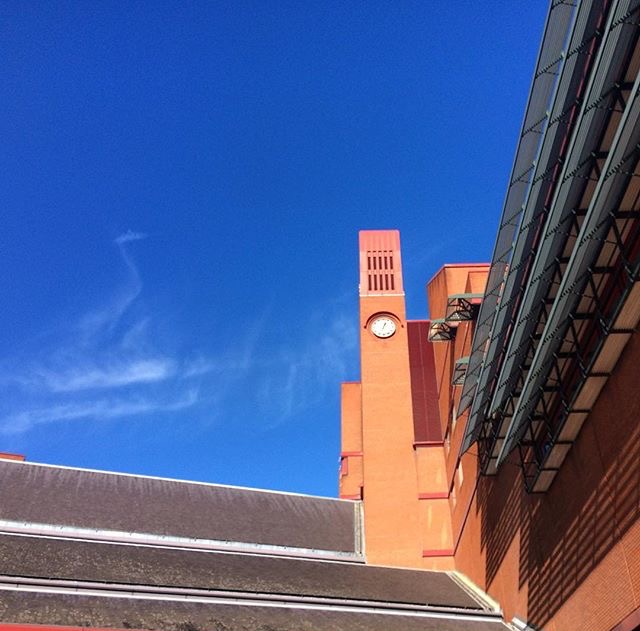
Conference review: “Fail to Plan, and Plan to Fail” (Icon Care of Collections Group AGM and Conference) – Alex Walker (published 19th January, 2017)
Disasters are sudden and shocking, but they should never be totally unexpected. A well-thought-out advance plan can make all the difference in facilitating a rapid and effective response across multiple teams if the worst should occur. Walker reviews ICON’s Care of Collections Group 2016 conference on emergency preparedness, hosted by the British Library. Speakers across the heritage sector shared valuable insights from their own experiences of crisis response and salvage.
Whether stocking up on equipment, identifying wider assistance networks, or making your plan more accessible in an emergency, there are many ideas that could be usefully applied to your own institution’s practice. One important, but often unacknowledged consideration is the need to account for the welfare of responders as well as objects during salvage.
Vacuum storage bags: an inexpensive and convenient tool for temporary storage of items infested with pests and mould – Ann-Marie Miller (published 13th March, 2018)
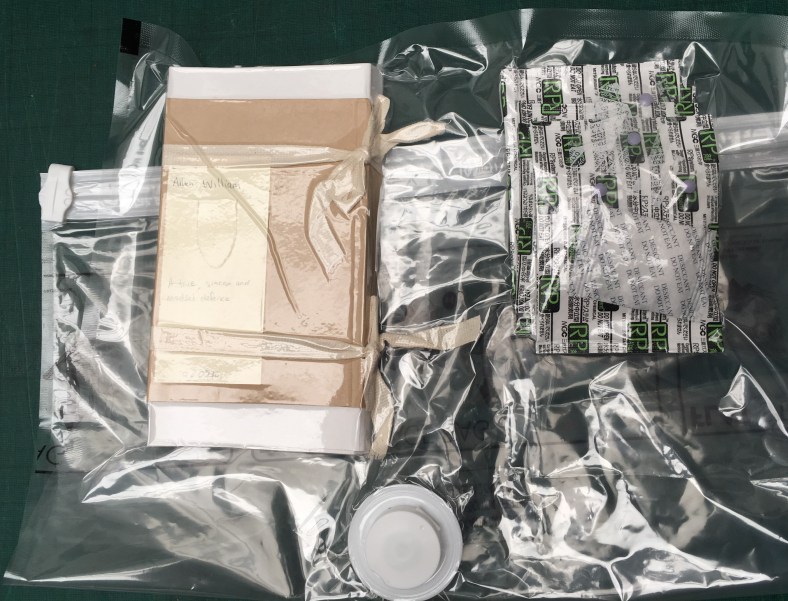
What if you have an item that has been severely damaged by water or another agent of decay, but it can’t be treated immediately? Vacuum packing can be used to isolate collection materials, but the cost of a specialised machine for this can be prohibitive for freelancers or smaller institutions. Domestic vacuum storage bags were therefore explored as a potential alternative solution.
Miller recounts her experiences trialling these across two separate projects, including oxygen-absorbing scavengers and indicator tablets within the bags to monitor the effectiveness of the seal. While they proved useful, she cautions that these bags must only ever be used as temporary storage, due to the bags’ indeterminate chemical composition.
Featured image courtesy of The Book and Paper Gathering.
 The Book & Paper Gathering